

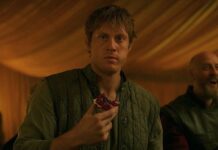















Listen, I know what you’re thinking: “A Game of Thrones prequel that sounds like a Western?” Trust me, it shouldn’t work. And yet, composer Dan Romer absolutely nailed it. After years of Ramin Djawadi’s grand, orchestral Game of Thrones theme dominating our screens, Romer made a gutsy choice: one that could’ve flopped spectacularly. But instead, it became one of the most refreshing creative decisions HBO’s made in the Westeros universe.
Quick read:
-
Romer deliberately abandoned grand orchestration for intimate, handheld music reflecting Dunk’s humble status.
-
The score incorporates Western elements like acoustic guitars and whistling without full spaghetti Western style.
-
Balancing two genres while keeping the score grounded in Westeros required skillful creative restraint.
When Smaller Means Better: Romer’s Radical Downsize
Here’s the thing about Game of Thrones’ original score: it was magnificent. Djawadi’s compositions felt like they were scoring the fate of kingdoms with every note. Massive orchestras, powerful strings, everything screamed “EPIC FANTASY.” But A Knight of the Seven Kingdoms? That’s a different beast entirely, and Romer knew it.
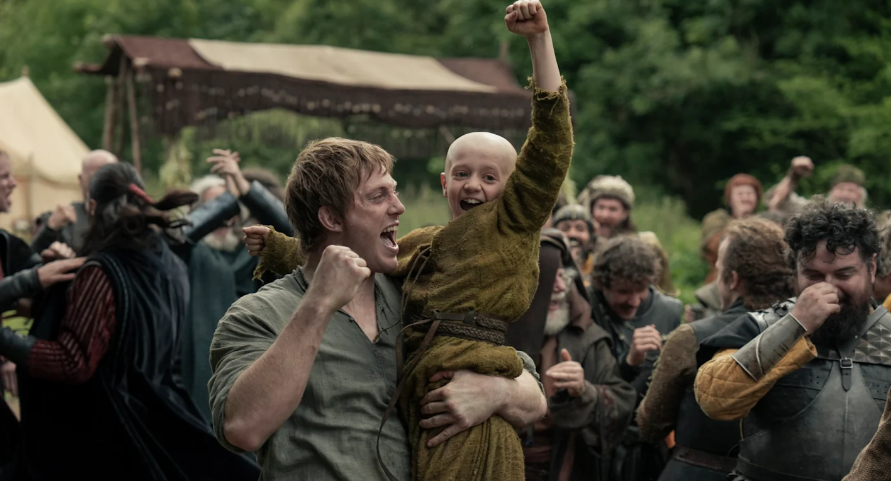
“We were trying to kind of, like… not make the music feel quite as grand in scope as the original Game of Thrones. Um, it’s a smaller story,” Romer explained in the Official Game of Thrones Podcast. And that’s the key insight here. Dunk isn’t a king or a dragon rider. He’s a broke hedge knight with rope instead of a proper scabbard. So why would his story need orchestral grandeur?
Romer continued: “So we kind of wanted to create this sort of like handheld, sort of like, I don’t know, sort of like brawler, middle-class kind of music and not as much of this gigantic royal music, you know.” And honestly? That’s genius. The music reflects Dunk’s status perfectly—intimate, grounded, human. This isn’t the sound of thrones and destiny. It’s the sound of a young man desperately trying not to starve.
The Western That Isn’t Quite Western: Romer’s Genre Mashup
Now here’s where Romer got bold. He didn’t just scale down the orchestration—he flipped the entire sonic genre on its head. “There’s a real almost Western feel to some of the pieces with this kind of like waltzing, whistling, acoustic guitar piece,” Romer revealed.
Acoustic guitars and whistling in a medieval fantasy show? Again, this shouldn’t work. But the fact that Romer understood the tightrope he was walking is what makes it brilliant. He wasn’t trying to turn Westeros into Arizona.
Credit: HBO
“But yeah, there was definitely a bit of a feeling of like, how do we make this sort of… feel like a Western, but not sound like a Western, sort of?” Romer said. “Like, we can’t just go, like, full spaghetti Western style. You know, we need to keep this grounded, uh, in Westeros.”
Think about that for a second. A composer deliberately trying to blend two wildly different genres without letting either one overtake the other? That takes serious skill. And the results speak for themselves. The score feels like a Western—that sense of a lone wanderer on a dusty road, facing uncertain odds—but it’s entirely rooted in the medieval world of Westeros.
Read next: Here’s how long each episode of A Knight of the Seven Kingdoms will be
![Game of Thrones: House of the Dragon [Season 2]: Inside the Dawn of the Targaryen Civil War](https://bendthekneegot.com/wp-content/uploads/2025/03/house-of-the-dragon-showrunner-teases-new-major-characters-in-season-3.jpg)
If you have any important filming news about House of the Dragon, or if you want to collaborate with us or want to write for us, please drop us a message here.