























When it comes to perspective, A Knight of the Seven Kingdoms has always maintained a ground level POV for the characters. Away from the grandeur of the kings and queens we saw in other Westeros shows, this series pivots the stance and offers more relatable content. Emotional beats land without editorial commentary. But in the finale, something unusual happened: after the credits rolled, audiences were given one last glimpse of Maekar—and Egg.
According to showrunner Ira Parker, that choice was deliberate—and a little rebellious.
“We never really break POV like that, but I figured after the credits had rolled, we were allowed to have one private scene with the Lord, to give ourselves just a little out for something that’s fun or funny.”
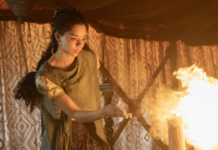
That “private scene” reframes everything. It shows Egg running away, the moment that led to the domino effect of everything that happened afterwards. A moment that plays as both tragic and absurd. It also creates the sense that we’ve witnessed two possible outcomes for Maekar: the father who says no, and the father who says yes.
Parker described the scene as giving the writers “a little out for something that’s fun or funny.” But it’s more than comic relief.
Breaking down the post credit scene in the AKOTSK finale
The series has built its identity around narrative restraint. By staying anchored in character perspective, it avoids omniscient commentary and forces the audience to sit with uncertainty. The post-credits scene breaks that rule—but only slightly.
By placing it after the credits, Parker essentially carved out narrative space separate from the main episode. It feels less like a contradiction and more like a whispered aside. A secret shared with viewers who stayed. It’s playful, but it’s also purposeful.
Read More: Ira Parker teases a Game of Thrones character’s return in A Knight of the Seven Kingdoms
Maekar’s intrinsic conflict

Credits: HBO
The emotional core of the decision lies in Maekar himself. Parker shared, “But I can actually wrap my head around both versions of Maekar saying no and Maekar saying yes, which I think is a wonderful position. And hopefully the audience will appreciate that.”
That duality is EXACTLY the point. Maekar isn’t a simple authoritarian father. He’s torn between legacy and love, power and protection. The “no” version of him is rigid, political, mindful of optics and succession. The “yes” version is impulsive, paternal, perhaps even a little desperate to repair what’s already fractured.
By presenting both emotional truths, the show avoids choosing a definitive moral stance. Instead, it invites viewers to sit in the ambiguity. In both versions, Egg absorbs the consequences of adult conflict. That symmetry is what makes the scene land. It’s funny in its timing—but devastating in implication.
And by placing it after the credits, the show allows that beat to linger without disrupting the episode’s formal structure.
The dual ending doesn’t undo the episode. It deepens it. And for a series that rarely bends its own rules, that tiny post-credits moment feels like a gift: a wink to the audience and a reminder that even lords are capable of doubt.
Read More: “Such an epic ending:” Fans react to a stunning A Knight of the Seven Kingdoms Episode 4