






















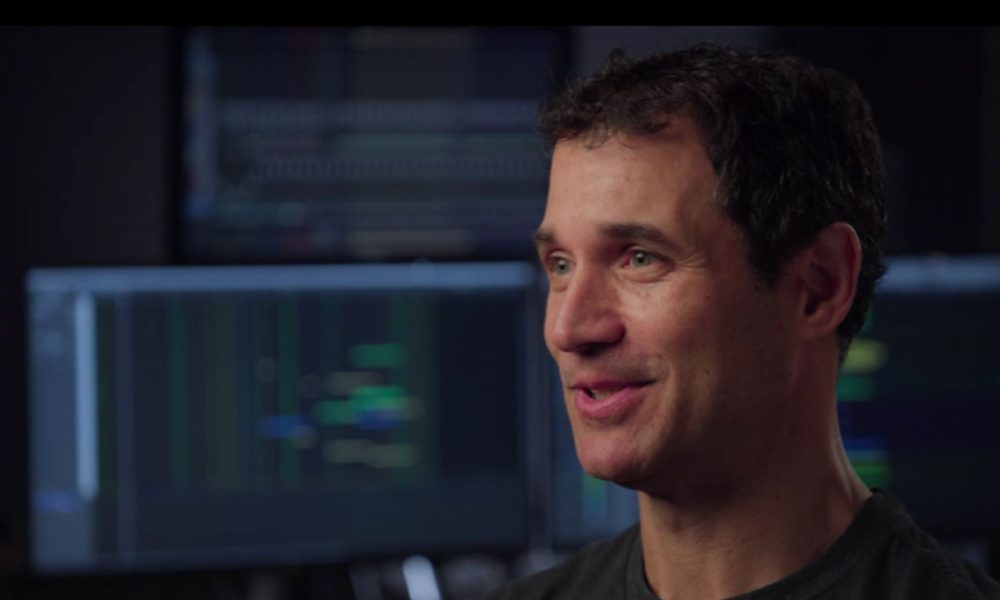
In a new video “Ramin Djawadi on Composing for Westeros” released by HBO on YouTube, the man behind the music of Westeros, Ramin Djawadi, opened up about his creative process for House of the Dragon Season 3, revealing how he crafted distinct sounds for each house, tracked Rhaenyra’s transformation, and used restraint to make the biggest moments hit even harder.
Returning to Westeros with a new approach
Djawadi admitted he was thrilled to return to the world he helped define.
“I enjoyed the world of Westeros so much. Yeah, I was excited to be brought back in. I saw a great creative opportunity again to dive back into the world, but then modify it and push it further.”
He also noted the careful balance of nodding to the original Game of Thrones score without overdoing it.
Distinct sounds for every house
The Targaryen family (Credits: HBO)
Add WoT as a preferred source on Google.
One of the most striking elements of Season 3 is how clearly each major house is defined through music.
House Targaryen remains the closest in spirit to the original series.
“The Targaryen theme is sonically… the closest to Game of Thrones.”
Djawadi explained that the electric cello is the prominent sound. Combined with percussion and rawness, it creates a lot of power.
House Hightower takes a cleaner, more classical approach.
“For House Hightower, the non-treated sonic quality differentiates the two. Violin and cello and strings — that’s really more their sound.”
The religious undertones are reflected in the chord progressions, which Djawadi described as carrying a sense of purity.
House Velaryon stands apart entirely.
“House Velaryon is very different. There’s a flute element to it that completely separates it.”
He compared the sound to a seashell or a horn blown on a ship, giving the sea-faring house its own distinct maritime identity.
Multiple themes for Rhaenyra’s transformation

Image: HBO
Rhaenyra’s musical journey has been one of the most complex. Djawadi revealed that her character has grown so significantly that a single theme was no longer enough.
“What’s interesting with Rhaenyra… not only are we modifying her theme, her change can be so significant that we actually have multiple themes for her. We have a theme that’s more of a pure melody… and then we have a theme that’s more when she’s at war.”
Some of her earlier melodies felt almost too safe, so shifting the harmony was essential to reflect her darker evolution across the season.
Ormund’s “ticking clock”

Credits: HBO
Even secondary characters received carefully crafted identities. Ormund Hightower’s theme combines power with elegance and a sense of constant scheming.
“There’s a percussive rhythm to it that when you hear it.” Djawadi explains that it’s supposed to indicate that he’s always plotting.
“It’s kind of like a ticking clock almost.”
Less is more in battles and deaths

Credits: HBO
Perhaps the most insightful part of the interview was Djawadi’s philosophy on scoring large-scale action and emotional loss.
For big battle sequences, he deliberately pulled back.
“We’re playing with the idea of creating a mood with the score and letting the sound effects kind of lead… Just because it’s action doesn’t necessarily mean it’s just drums pounding away.”
The same restraint applies to major deaths. He said having less music or smaller music with some of these big deaths can be very effective sometimes. Just a couple of sounds are enough to feel like that’s really getting under your skin.
A feast for film music
Djawadi closed by reflecting on why House of the Dragon continues to be such a rewarding project.
“A show like this is a feast for film music. It’s a great opportunity to be creative. All the different aspects of action music, a lot of emotional music, and everything in between.”
Once again, Ramin Djawadi has proven why he remains one of the most essential voices in the Game of Thrones universe.