











The wild, foot-stomping “drunken” dance between Lyonel Baratheon and Ser Duncan the Tall is not random chaos but a carefully shaped moment with a very specific artistic heartbeat. Appearing in Episode 1 of HBO’s A Knight of the Seven Kingdoms, which aired on January 18, 2026, the scene unfolds during the Ashford Meadow tourney feast, where revelry spills into something louder and unexpectedly revealing.
Baratheon, already deep in his cups, drags a reluctant Duncan into a rough-and-ready dance of stomps, spins, mock challenges, and shared laughter. The mood is reckless yet warm, with drinks passed freely, stories exchanged, and an antler crown pressed onto Duncan’s head. What begins as awkward bravado becomes bonding. The sequence softens the tourney’s tension, turns Duncan’s shy reserve into confidence, and hints at alliances forming under Targaryen rule.
Quick Read:
- The dance appears in Episode 1 at the Ashford Meadow tourney feast.
- Lyonel Baratheon pulls Duncan into the chaos while heavily drunk.
- Director Owen Harris said the scene is based on the 1971 epic period musical drama film.
A Classic Musical Echo Behind a Westerosi Moment

Dunk and Ser Lyonel Baratheon in A Knight of Seven Kingdoms on HBO (Image: HBO)
Director Owen Harris has been candid about the unlikely source that shaped the tone and movement of this scene. He said (via HBO Max):
So many films that have inspired me. A big one coming into this was Fiddler on the Roof. I want it to be weird. I want it to have energy. We brought in an incredible choreographer from Dublin, Belinda Murphy, who completely understood what I was going for.
That intention explains why the dance feels communal rather than polished, driven by impulse instead of choreography. Fiddler on the Roof, released in 1971 and directed by Norman Jewison, is remembered for its grounded exuberance and for using dance as social language. Set in early 20th century Imperial Russia, it follows Tevye, a poor Jewish milkman, as he struggles with tradition, family, and political unrest.
The film’s wedding sequences, especially the men’s dances, balance joy with unease, physical humor with cultural meaning. Its success was enormous, earning $83.3 million worldwide on a $9 million budget and leading the 44th Academy Awards with eight nominations.
That legacy matters here. Harris borrows not steps but spirit. The Baratheon-Duncan dance uses disorder to reveal character, just as Jewison did, allowing movement to speak where dialogue would feel heavy.
Why the Dance Matters Inside A Knight of the Seven Kingdoms
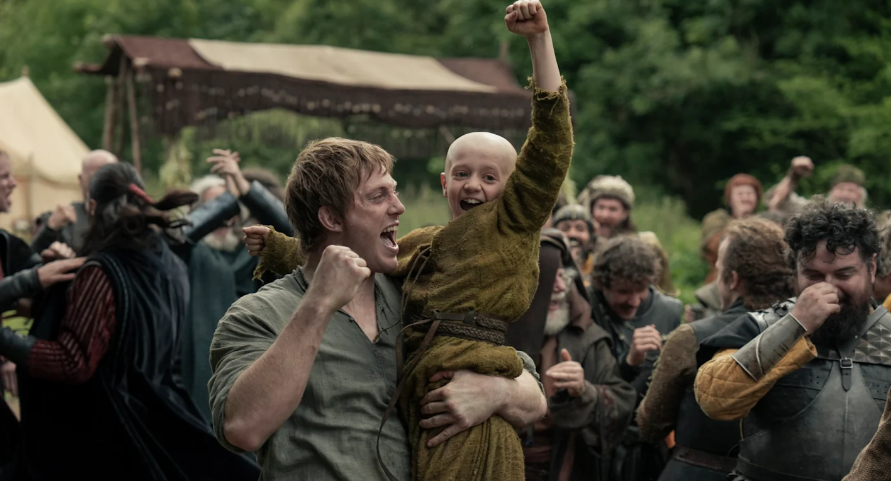
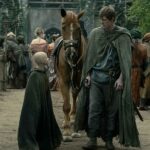
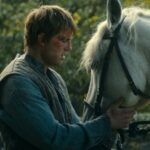
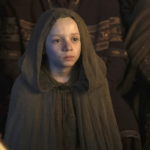
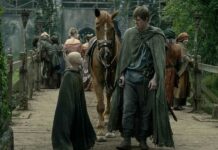
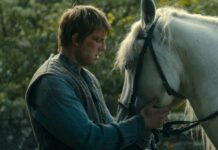
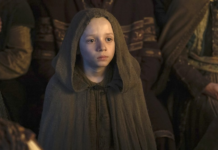
Peter Claffey and Dexter Sol Ansell in A Knight of the Seven Kingdoms on HBO
Within the episode titled “The Hedge Knight,” the dance serves a narrative purpose rather than comic relief alone. Baratheon, known as the Laughing Storm, asserts dominance first by stomping Duncan’s foot. Duncan responds in kind, earning approval instead of punishment. That exchange resets their relationship. Rivalry shifts toward mentorship, and bravado gives way to respect.
The scene also reflects the show’s broader tone. Unlike earlier Westeros entries built on spectacle and brutality, this series favors intimacy and character texture. The friendship formed here foreshadows future loyalties and positions Baratheon as more than a loud lord. It also frames Duncan’s growth. His willingness to meet Baratheon’s challenge shows adaptability, humility, and courage without a sword drawn.
By grounding this moment in human behavior rather than fantasy excess, the series reinforces why The Hedge Knight endures. It is about people first, titles second.
Also Read: Did Dunk Know Egg Was a Targaryen?
If you have any important filming news about House of the Dragon, or if you want to collaborate with us or want to write for us, please drop us a message here.