












The world of A Song of Ice and Fire is sprawling, defined by powerful houses, iconic sigils, and bloodlines passed down from kings to knights. Over the years, both the books and their screen adaptations have centred on the rise and fall of great families – the Starks, Lannisters, Targaryens, and Baratheons – unfolding through epic battles and world-altering conflicts. This grandeur has played out across multiple seasons of Game of Thrones and continues in HBO’s ongoing spin-off, House of the Dragon. However, the latest addition to the ASOIAF universe – A Knight of the Seven Kingdoms – sets itself apart almost immediately.
Instead of sprawling political intrigue and large-scale warfare, the series shifts focus to something far more grounded: the journey of a hedge knight and his young squire. Unlike its predecessors, A Knight of the Seven Kingdoms is not a traditional medieval epic driven just by noble houses and dynastic struggles. While familiar names like House Baratheon and House Targaryen still exist in the background, the heart of the story lies firmly with Dunk and Egg, and the narrative unfolds entirely from their perspective.
Shrugging Off the Traditional Opening Sequence
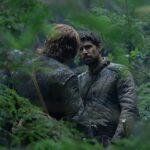
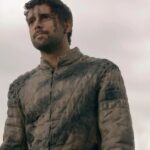
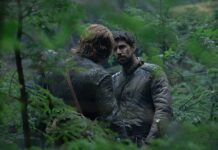
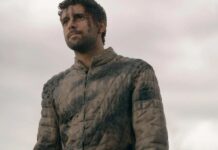
The pilot episode of A Knight of the Seven Kingdoms establishes its grittier, more grounded tone within the first few minutes – something rarely seen in previous HBO adaptations. Viewers are introduced to Ser Duncan the Tall (played by Peter Claffey) through reflections on his past as a squire to Ser Arlan of Pennytree, grounding the character in hardship rather than heroism.
Credits: HBO
What many fans might have expected next was the familiar opening theme composed by Ramin Djawadi, accompanied by an elaborate title sequence, as seen in both Game of Thrones and House of the Dragon. Instead, the series deliberately subverts expectations. Although a brief portion of the iconic theme begins to play, it is abruptly interrupted by an unexpectedly crude moment – Ser Duncan stopping for a bathroom break.
The scene is uncomfortable, messy, and intentionally unglamorous. Yet, it perfectly signals what kind of story this is going to be. Rather than beginning with grandeur, A Knight of the Seven Kingdoms opens with bodily reality, immediately distancing itself from the polished nobility of earlier shows.
A Creative Choice with Purpose
HBO’s Inside the Episode, released shortly after the premiere, shed further light on this unusual opening. During the table read, the cast and crew were introduced to the scene with a blunt explanation:
“Our HERO THEME comes on the soundtrack: the ROAR of a crowd. Moments later Dunk shits water.”
While crude on the surface, this choice serves a larger creative purpose. The series aims to inject a sense of humour – largely absent from House of the Dragon and only sparingly present in Game of Thrones – into the ASOIAF universe. Those earlier shows focused heavily on grim political manoeuvring, civil war, and mythological threats like the White Walkers.
Director Owen Harris summed up this tonal shift succinctly:
“The tone of this show is probably what marks it out most in terms of its humor. There’s going to be this slightly absurd sense to this world.”
By opening with something as undignified as diarrhoea, A Knight of the Seven Kingdoms makes its intentions clear from the very start. This is not a story about kings and castles seen from above, but Westeros viewed from the mud, the road, and the campfire. The grungy opening strips away mythic grandeur. It replaces it with human vulnerability, humor, and realism. This truly sets the stage for a smaller, stranger, and far more personal tale within George R.R. Martin’s vast world.
If you have any important filming news about House of the Dragon, or if you want to collaborate with us or want to write for us, please drop us a message here.