























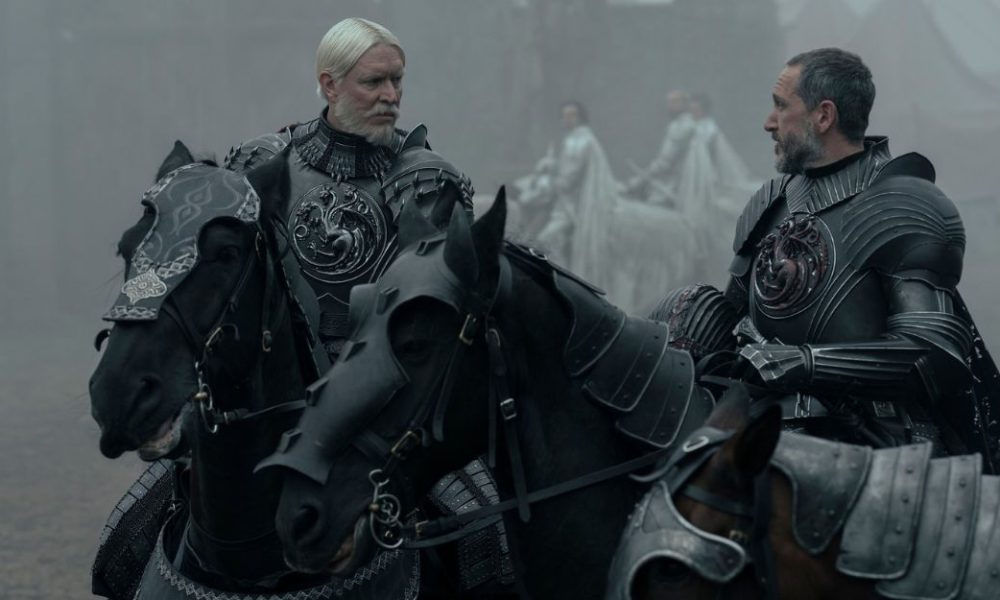
The Trial of the Seven ended with one of the most devastating moments in Westeros history: Baelor’s death at the hands of his own brother. Sam Spruell, who plays Maekar Targaryen, recently reflected on the emotional complexity of that scene in his interview with The Hollywood Reporter. He explained that Maekar is torn between grief and ambition, struggling to reconcile the fact that he delivered the fatal blow while also recognizing what his brother’s death means for his own future.
Quick Read
- Sam Spruell says Maekar knows he killed Baelor but resists fully owning it.
- Maekar feels both sadness and opportunity in his brother’s death.
- Spruell highlights the ambiguity of tragedy mixed with progression.
Maekar’s conflicting emotions
Spruell revealed that Maekar’s mindset after the Trial is far from straightforward. He explained: “Maekar, even though he knows he’s dealt that fatal blow, there’s something in him that doesn’t want to completely own up to it. He’s probably got conflicting feelings about his brother’s death anyway. He’s sad and he also knows what opportunity his death represents for his own future. So I love that ambiguity about a brother’s death meaning something tragic and also something progressive about your own life.”
This interpretation adds depth to Maekar’s character, showing him as both remorseful and pragmatic. His grief is genuine, but so is his awareness that Baelor’s death shifts the balance of power in ways that benefit him.
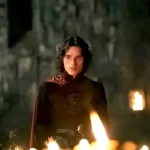
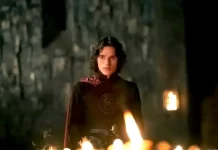
Maekar Targaryen in A Knight of the Seven Kingdoms finale (Image: HBO)
The ambiguity of tragedy and ambition
Spruell’s comments highlight one of the central themes of A Knight of the Seven Kingdoms: the tension between personal loss and political gain. Maekar’s inability to fully own his role in Baelor’s death reflects the moral grayness of Westeros, where even family bonds are entangled with ambition.
For fans, this ambiguity makes Maekar a more compelling figure. He is not simply a villain or a grieving brother — he is both, embodying the contradictions that define the Targaryen dynasty. The finale’s emotional weight lies in this duality, reminding viewers that in Westeros, tragedy often paves the way for progression.